
Unified.
Decentralized.
Across Air, Land & Sea.
Axioniq Commander is the mission workspace for autonomous UAV operations - plan, deploy, and monitor cloud-connected fleets from a single interface. Above the vehicle. Below the application.
The Axioniq Stack
One platform. Three layers. Core executes on the vehicle, Base connects the field, Commander controls the mission - independently, and together.
UxV Platform
UAV, UGV, or USV - any autopilot, any payload. Native PX4 and ArduPilot interoperability.
Core - Executes
Onboard runtime: sensor fusion, on-device processing, and always-on link to Commander.
Connectivity Layer
5G / LTE / LoRa / RF / Satellite - adaptive mesh designed for degraded environments.
Commander - Controls
Mission planning, multi-vehicle orchestration, live telemetry, video, and analytics.
Base - Connects
Local Commander instance for offline and degraded-connectivity operations (in development).
Commander
Commander is the mission workspace for autonomous UAV operations. Plan missions on the map, monitor live telemetry and video, coordinate multi-vehicle fleets, and review every mission afterwards - all from a unified, cloud-connected interface.
Map-Driven Planning
Map-driven mission planning and waypoint management
Live Telemetry
Real-time telemetry, vehicle status, and sensor feeds
Fleet Coordination
Multi-vehicle fleet coordination and task assignment
Video Streams
Live and recorded video streams per vehicle
Mission History & Analytics
Mission history, replay, and analytics
Role-Based Access
Role-based access with encrypted session management
SITL Simulation
Software-in-the-loop simulation for mission rehearsal
Cross-Platform
Cross-platform: desktop, tablet, and mobile
Core
Core is the onboard runtime that connects each vehicle to Commander. Designed to bring sensor fusion, on-device processing, and resilient connectivity to UAV, UGV, and USV platforms so they can operate as part of a coordinated mission.
On-Device Processing
On-device processing pipeline for low-latency response
Sensor Fusion
Sensor fusion across LiDAR, thermal, and stereo vision
Positioning & Localization
GPS-assisted positioning with sensor fusion for degraded environments
Low-Latency Pipeline
Multi-protocol connectivity: 5G, LTE, LoRa, RF
Multi-Protocol Comms
Encrypted, authenticated link to Commander
Field-Deployable
Designed for ruggedized, field-deployable hardware
Base
Base is the planned edge deployment of Commander - a local instance that keeps mission control, video, and analytics available when cloud connectivity is degraded or unavailable. Currently in development; design targets are listed below.
Base FIELD
- Local Commander instance running at the deployment site
- Layered, resilient field communications
- Offline-first mission execution and logging
- Edge-cached maps, models, and mission configs
- Automatic data synchronization on reconnection
- Seamless transition between connected and offline modes
One Framework.
Every Operating Environment.
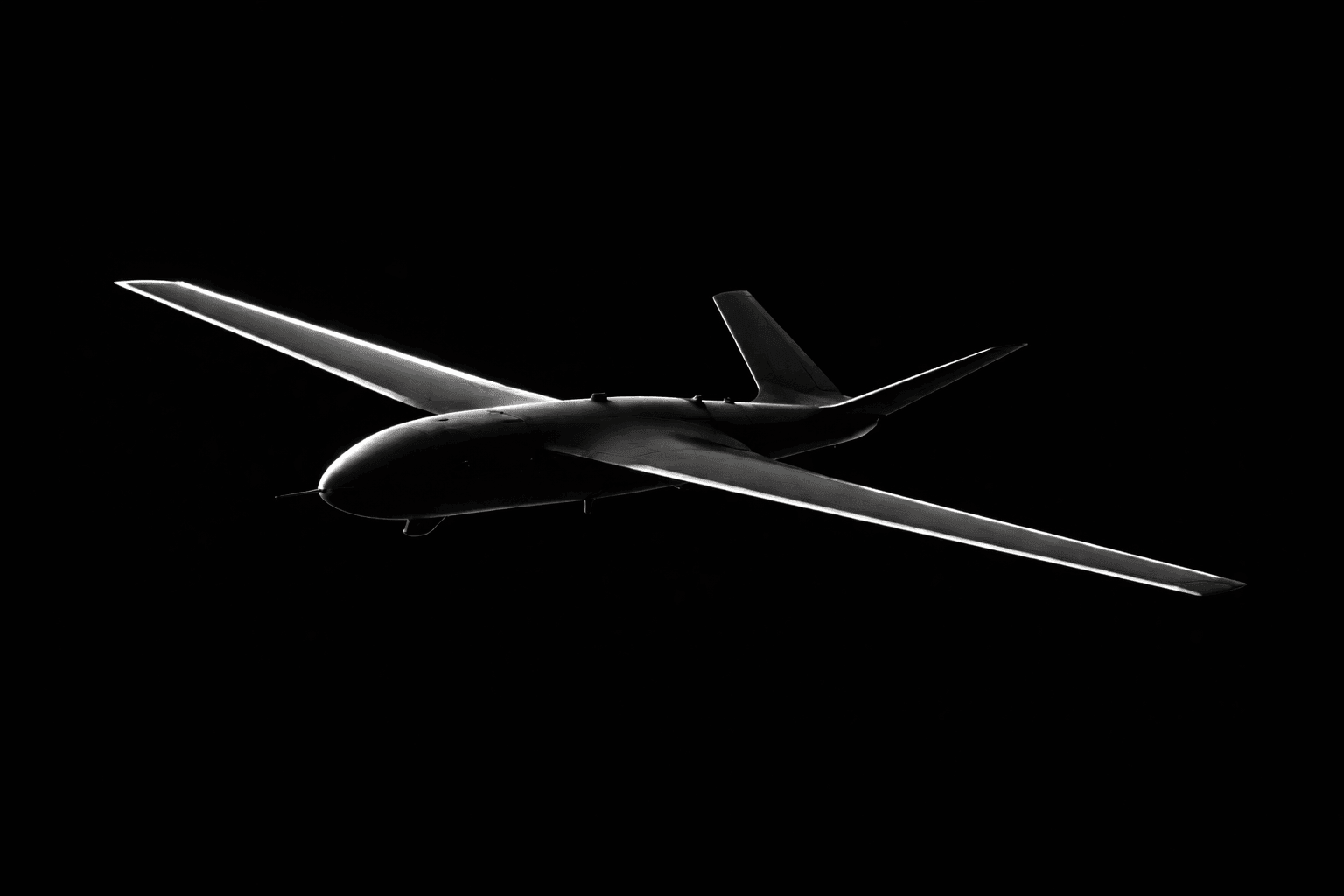
Aerial Operations
- Wildfire response & detection
- Crop monitoring & fertiliser application
- Offshore wind farm inspection
- Border & coastal patrol
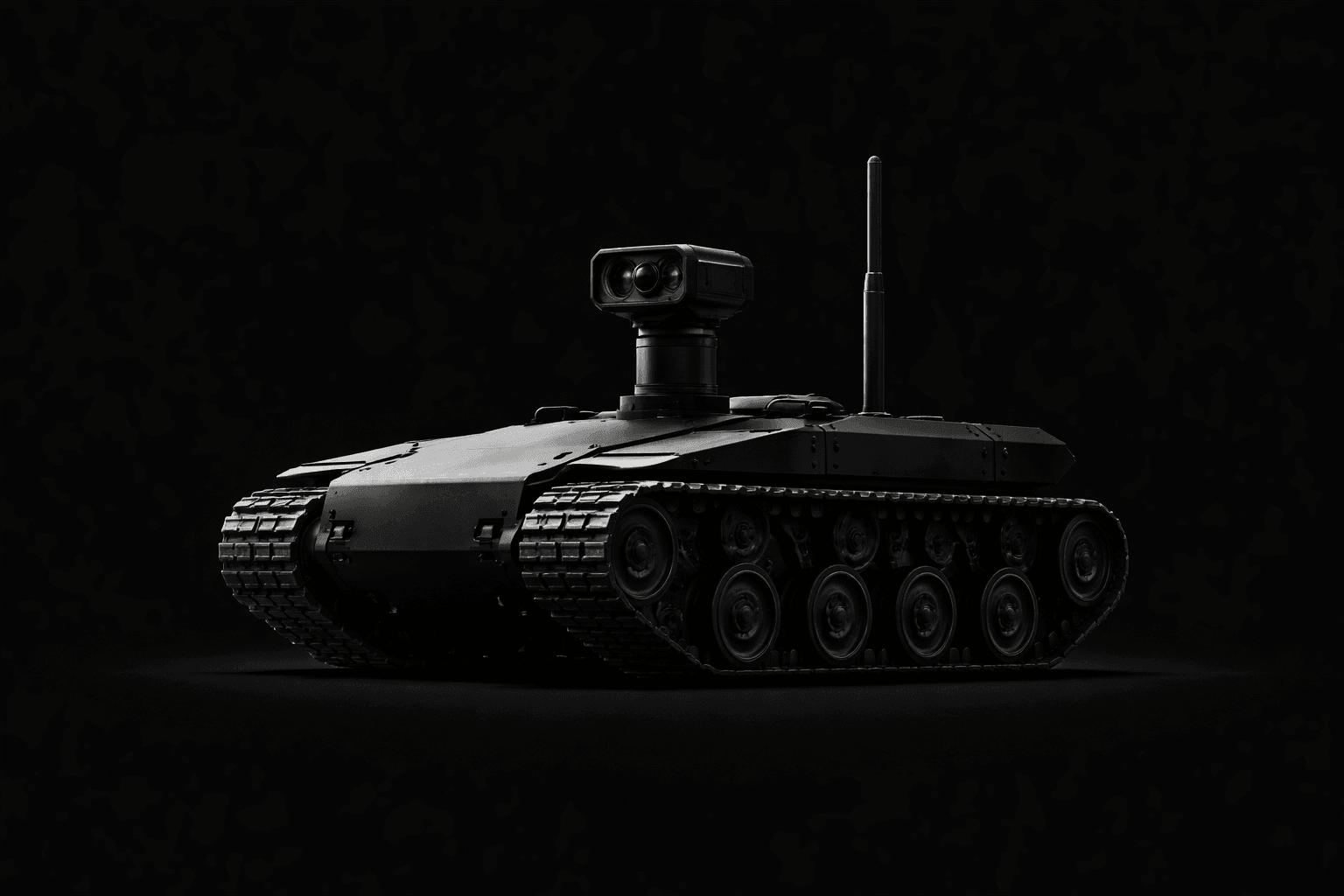
Ground Operations
- De-weeding & seed planting
- Soil sampling
- Perimeter security patrol
- Field data collection
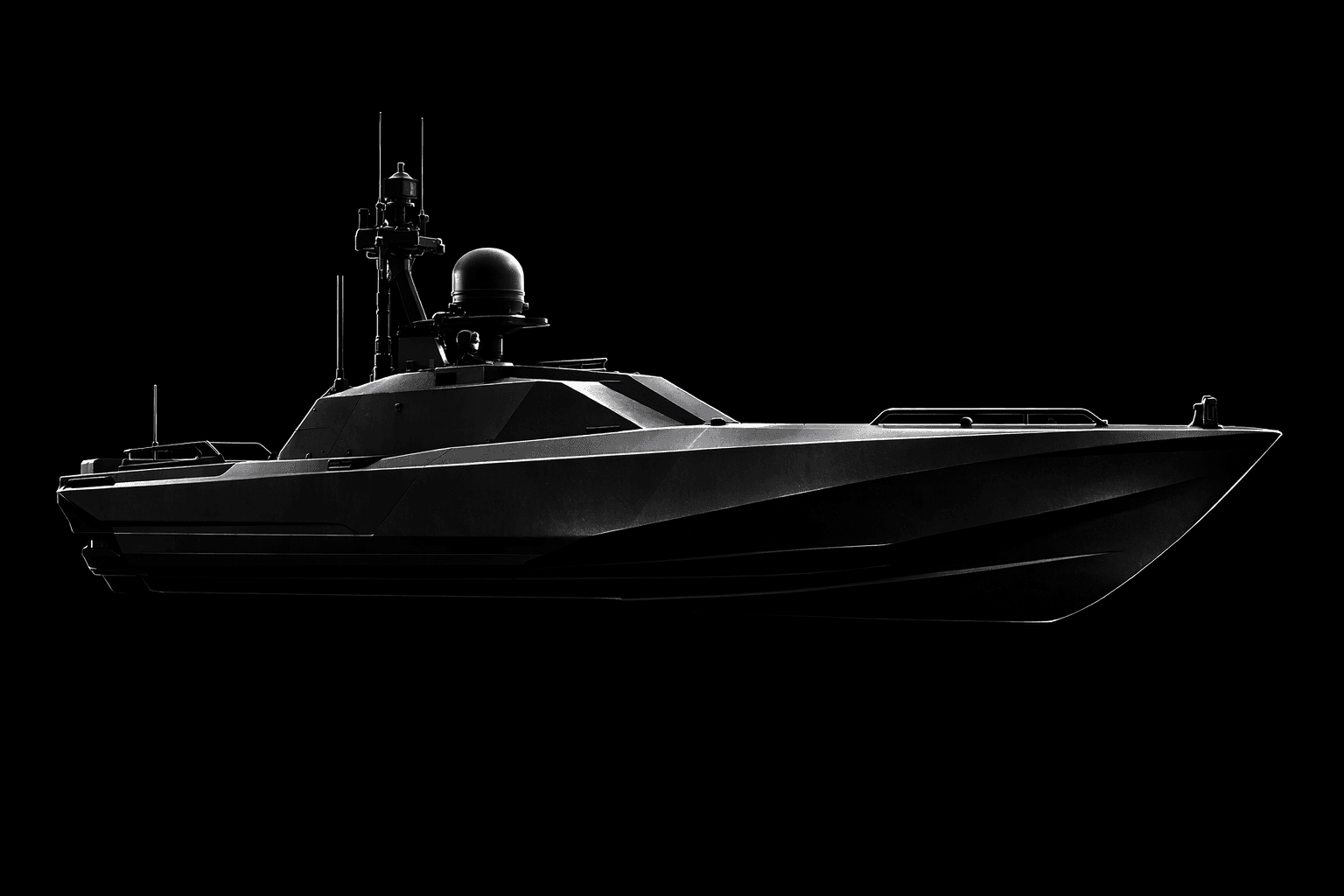
Maritime Operations
- Coastal & border monitoring
- Offshore energy inspection
- Fish farm monitoring
- Water quality sensing
Engineered for
Real Deployments
Operator-First Workspace
Commander is designed for the people running the mission - not for robotics specialists. A single, map-driven interface to plan, deploy, and monitor.
Mixed Fleet, One Interface
Air, land, and sea in one workspace. Coordinate UAVs, UGVs, and USVs with a unified mission model rather than stitching together vehicle-specific tools.
Hardware-Agnostic by Design
Above the vehicle. Below the application. Native PX4 and ArduPilot interoperability - the autopilots that power the majority of the open commercial UAV market - with no vendor lock-in.
Data-Driven Mission Insight
Every mission is recorded, every stream is reviewable. Commander turns the data your fleet already produces into mission history, replay, and analytics.
Cloud-Connected, Edge-Aware
Commander runs in the cloud today; Base brings the same workspace to the edge for disconnected and degraded-connectivity operations (in development).
European, Sovereign by Design
Built in Europe and engineered around emerging EU airspace rules. Customer-owned data, EU-resident infrastructure, encrypted and role-based by default.
Frequently Asked Questions
What is the difference between Commander, Core, and Base?
Commander is the unified mission control and fleet intelligence workspace - planning, monitoring, video, and analytics in one interface. Core is the onboard runtime that connects each vehicle to Commander with sensor fusion and resilient connectivity. Base is the planned edge deployment of Commander for disconnected field operations (in development).
Is Axioniq a production deployment today?
Commander is an active product in development with a working cloud workspace. Core and Base are progressing toward field deployment. We're partnering with early operators to validate use cases - talk to us if you want to participate.
What communication protocols are supported?
Core is designed for multi-protocol connectivity including 5G, LTE, LoRa, RF, and satellite links. The connectivity layer is built to select the best available channel and maintain encrypted, authenticated communications with Commander.
What types of vehicles are supported?
Axioniq is vehicle-agnostic by design. The Core runtime is built to integrate with UAVs (aerial), UGVs (ground), and USVs (maritime), so the same Commander interface works across all domains.
How does positioning work in GPS-denied environments?
Core fuses GPS with onboard sensors - including LiDAR, stereo vision, and inertial inputs - to maintain continuous localization when GPS is degraded or unavailable.
How is communication secured?
Communications between Core and Commander are encrypted and authenticated. Commander sessions use role-based access control with audit logging and session management.
Does Axioniq work with open-source autopilots?
Yes. Core is built for native interoperability with PX4 and ArduPilot - the open-source flight stacks that power the majority of the open commercial UAV market - so operators are not locked into a single vendor's airframe or ecosystem.
How does Axioniq fit into European drone regulations?
Commander is being engineered around the emerging EU airspace framework - including the U-space rules expected to take effect across member states - so that operators using Axioniq are positioned to scale BVLOS and multi-vehicle operations within the regulatory environment as it matures.
What is the business model?
Axioniq is structured around three layers: a SaaS subscription for Commander, a per-vehicle runtime licence for Core, and managed cloud or edge infrastructure. Pricing and tiering will be published as we open the platform to broader access.
Accessible, Scalable,
Intelligent Autonomy
Multiply the capabilities of operators instead of training experts. From a single mission to a coordinated fleet - anytime, anywhere, by anyone.